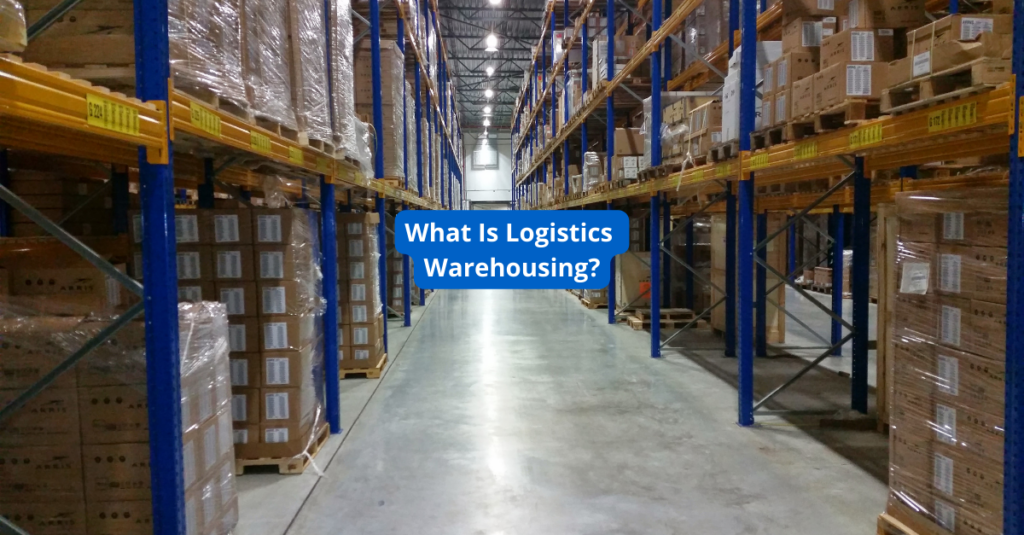
What Is Logistics Warehousing?
Logistics warehousing is one of the central pillars of supply chain management. It goes far beyond simply storing goods, encompassing a range of strategic processes designed to ensure that products are available at the right time, in the right place, and under optimal conditions. As consumer expectations and business requirements continue to evolve, logistics warehousing plays an increasingly critical role in operational efficiency.
The Roles and Objectives of Logistics Warehousing
The primary objective of warehousing is to ensure efficient inventory management in order to respond to fluctuations in demand. Its key functions include:
Temporary storage:
Managing the gap between production and distribution.
Responding to seasonal or unpredictable demand.
Goods consolidation:
Bringing together products from multiple sources for joint delivery, thereby reducing transportation costs.
Order fulfillment:
Modern warehouses include sorting and packing areas to prepare products according to customer specifications.
Returns management:
Processing customer returns for efficient reintegration or recycling of goods.
The Different Types of Logistics Warehouses
Logistics warehousing varies depending on business needs and industry requirements. The main categories include:
Centralized storage warehouses:
Strategically located to serve large geographic areas.
Ideal for companies operating at scale.
Regional or proximity warehouses:
Smaller facilities designed to reduce delivery times for local customers.
Widely used by e-commerce platforms.
Automated warehouses:
Equipped with technologies such as robotics, artificial intelligence, and Warehouse Management Systems (WMS).
Enhance operational efficiency and reduce errors.
Cold storage warehouses:
Designed for products requiring temperature control, such as food or pharmaceuticals.
The Growing Importance of Technology in Warehousing
The integration of new technologies is transforming logistics warehousing. Tools such as Logistiqa, a specialized cloud platform, enable businesses to automate warehouse management and gain full visibility over inventory. These innovations include:
Real-time traceability: Through IoT sensors and RFID systems.
Space optimization: Planning algorithms identify the most efficient layouts.
Demand forecasting: Data analysis helps adjust stock levels based on trends.
For more information on the impact of technology, visit Logistiqa.
Challenges in Logistics Warehousing
Despite its many advantages, warehousing also presents several challenges, including:
High costs:
Acquiring or leasing modern warehouse facilities can be expensive, especially for growing businesses.
Skilled workforce requirements:
New technologies require advanced training to be used effectively.
Returns management complexity:
The growth of e-commerce has significantly increased product returns, requiring specialized systems.
Current and Future Trends in Warehousing
With globalization and the rise of e-commerce, new trends are shaping logistics warehousing:
Urban warehouses:
To meet the demand for ultra-fast delivery, warehouses are moving closer to urban centers.
Sustainability:
Companies are adopting eco-friendly practices, including renewable energy usage and recycling systems.
Flexibility:
Shared warehousing models allow smaller businesses to access advanced logistics services at lower costs.
Logistics warehousing is far more than a simple storage space. It is a strategic lever for improving operational efficiency, reducing costs, and delivering a superior customer experience. Businesses of all sizes must adopt modern solutions to fully benefit from technological advancements and sustainable practices.
To explore this topic further and discover how solutions like Logistiqa can transform your logistics management, visit the official blog.
Posts navigation
← Excel or specialized software: The inventory management dilemma