
Barcodes by Country
Article Outline
- International use of barcodes
- Barcode formats
- Examples of country prefixes for barcodes
- Compatibility and interoperability
- Implications for international trade
- Future trends
In an increasingly interconnected world, barcodes play a critical role in international trade. However, it is important to understand that barcode systems can vary from one country to another. This article explores the differences and similarities of barcodes around the world, providing valuable insights for businesses.
Barcodes have become an essential tool for inventory management and logistics, improving traceability and making stock management more efficient. With the evolution of information technologies, barcodes have also evolved to store more complex data and are now used in a wide range of ways. Today, they are ubiquitous across many sectors, from supermarkets and logistics warehouses to hospitals, restaurants, and airlines.
International Use of Barcodes
Barcodes are designed for international use and can generally be used worldwide without major restrictions related to their country of origin. Although certain regulations may apply in specific markets, barcodes are globally recognized and can be used across borders without issue.
Barcode Formats
Barcode formats may vary depending on the system used:
EAN-13
EAN-13 is one of the most widely used barcode systems worldwide, particularly in Europe. It is designed to encode information such as the manufacturer identifier, country code, and product identifier.
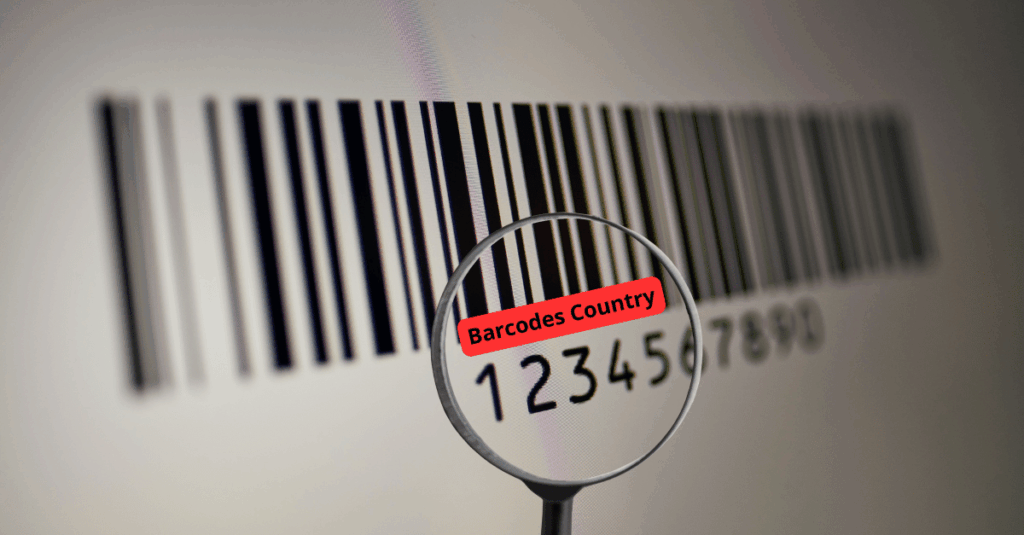
The EAN-13 barcode consists of 13 digits, typically represented by bars and spaces. The first three digits—also known as the “country prefix”—indicate the country or region where the code was assigned to the company that manufactures the product.
UPC
UPC is a barcode system mainly used in the United States and Canada. The most common format is UPC-A, which contains 12 digits. The first digits of the UPC-A code identify the country of origin or the region where the code was issued.
Examples of Country Prefixes for Barcodes
Below are some examples of country prefixes assigned by GS1 or other authorized organizations:
- 0: USA / Canada
- 611: Morocco
- 30–37: France & Monaco
- 45: Japan
- 69: China
- 93: Australia
- 94: New Zealand
- 880: South Korea
- 400–440: Germany
- 50: United Kingdom
- 45, 49: Japan (JAN system)
Compatibility and Interoperability
Despite these differences, most modern barcode scanners are capable of reading both EAN and UPC codes. This greatly facilitates international trade. However, businesses must remain aware of these variations when preparing products for different markets.
Implications for International Trade
- Multiple labeling requirements: Products intended for different markets may require the use of multiple barcodes.
- Regulatory compliance: Some countries impose specific product labeling requirements.
- Database management: Companies must maintain databases that can integrate multiple barcode systems used worldwide.
- Logistics adaptation: Logistics systems must be compatible with various barcode formats to ensure efficient operations.
Future Trends
Barcode systems are gradually moving toward greater global standardization, making them easier to use in international trade. At the same time, fully digital barcodes designed specifically for e-commerce are emerging. In addition, integration with the Internet of Things (IoT) is enabling the use of advanced barcodes, opening up new possibilities for product tracking and data management.
Understanding international barcode systems is essential for global businesses. While differences still exist, the overall trend is toward harmonization. Companies must stay informed about market-specific requirements while preparing for future developments.
For optimal barcode management in international operations, companies such as LogisTiqa offer advanced logistics solutions tailored to the various barcode systems used worldwide.
You can benefit from a free personalized demonstration and support session by completing the form below:
For more content, visit ourblog, or contact us directly at info@logistiqa.co