12 Tips to Increase Your Small Business Profit Margin

For small businesses that manage inventory and B2B sales, profit margin is a key indicator of the company’s financial health. Increasing your margin is therefore essential to ensure long-term profitability and growth. In this article, we will explore 12 practical tips to help small businesses improve their margins by optimizing inventory and sales management.
What Is Profit Margin?
Profit margin refers to the difference between the selling price of a product and its purchase cost. Therefore, the gross margin is calculated by subtracting the purchase and storage costs of a product from its selling price.
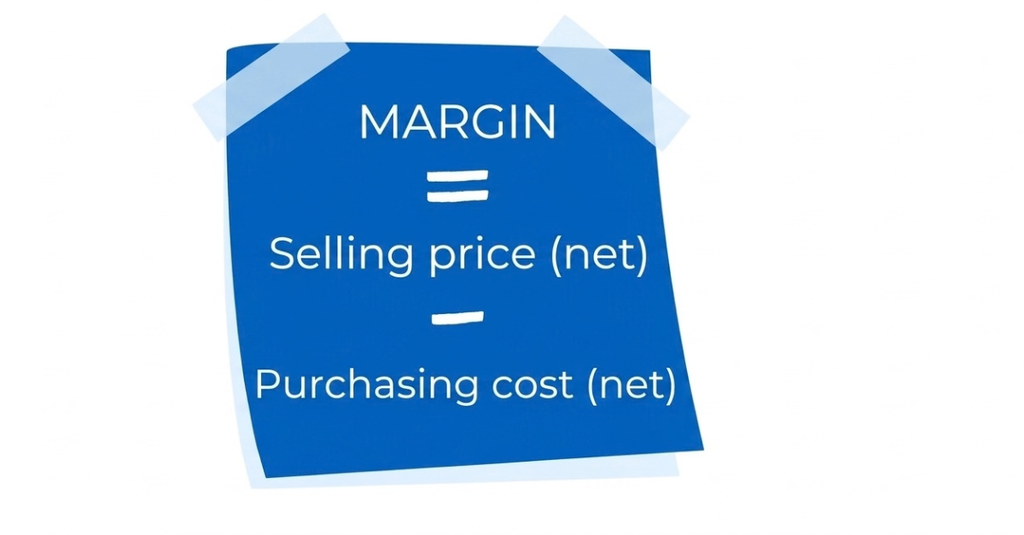
Going Further: Calculate Your Gross Margin Rate and Markup Rate
To understand and analyze your margins, it is important to know the average margin for your industry.
How Can You Increase Your Profit Margin?
While the most obvious solution is, of course, to increase your selling prices, this approach should be considered carefully. In times of inflation, there are equally effective alternatives that can help maintain a strong brand image while also setting you apart from competitors who have chosen to raise their prices.
- Set a realistic budget for storage costs, taking into account warehouse rental, labor, and inventory management expenses, without compromising the quality of the customer experience.
- Implement security measures to reduce losses caused by theft and product damage during transportation and storage, such as surveillance cameras, security systems, and access control procedures.
- Optimize inventory management to improve cash flow by using inventory management software. This can help eliminate overstocking and stockouts (and therefore avoid missed sales), while also reducing unnecessary storage costs.
- Analyze sales data and production costs for each product to identify those with the highest and lowest margins. The ABC method is particularly effective for this purpose. By identifying their most profitable products, small businesses can adjust their sales strategy to sell more high-margin products.
- Implement dynamic pricing strategies to adjust prices in real time based on purchase costs, demand, and competition. By adjusting prices accordingly, small businesses can increase their margins while remaining competitive in the market.
- Automate repetitive and time-consuming tasks: with inventory and sales management software, there is no need to manually re-enter inventory, sales, and other data.
- Build customer loyalty by offering promotions and special deals to encourage repeat purchases. Another option is to offer bundled products, such as kits, multipacks, gift sets, or packages.
- Study the market to identify new customer segments and new products to add to your existing range. This can help diversify your revenue streams and reduce the risks associated with relying on a single product or market.
- Analyze your results using key performance indicators (KPIs) to assess business performance and make informed decisions to improve profitability.
- Plan purchases in advance: group supplier orders to secure discounts, negotiate better purchasing terms with suppliers, analyze sales reports, and anticipate upcoming trends.
Using inventory and sales management software, such as Logistiqa, can make it easier to implement some of these strategies, automate certain tasks, optimize inventory management, and make informed decisions. This can help small businesses save time and focus on their core activities.
Try Logistiqa today.
Contact us by email info@logistiqa.co